CruiseBrokers.com
Set Sail for Unforgettable Adventures with Our Cruise Experts!
800-409-1919
Set Sail for Unforgettable Adventures with Our Cruise Experts!
800-409-1919

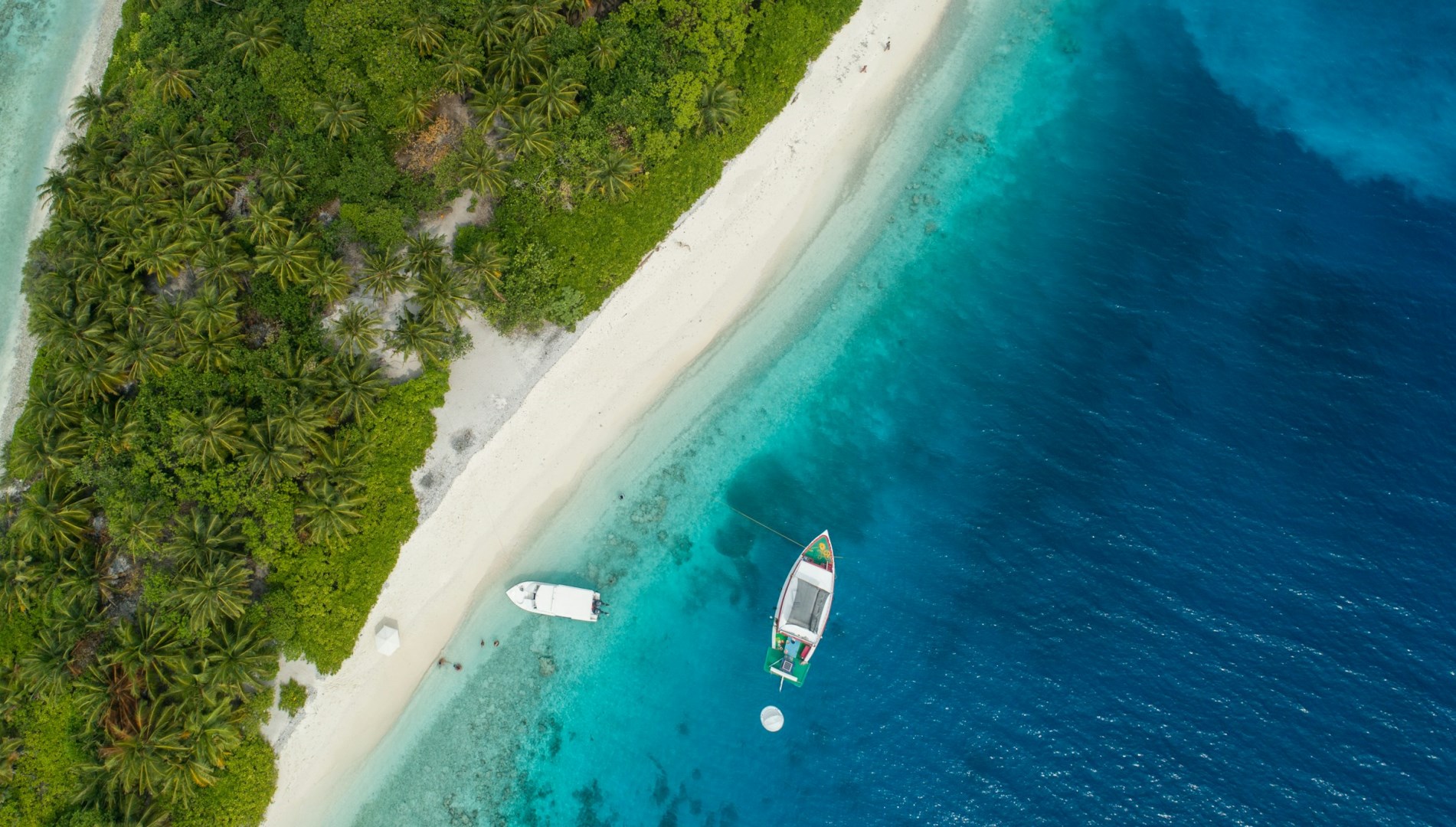
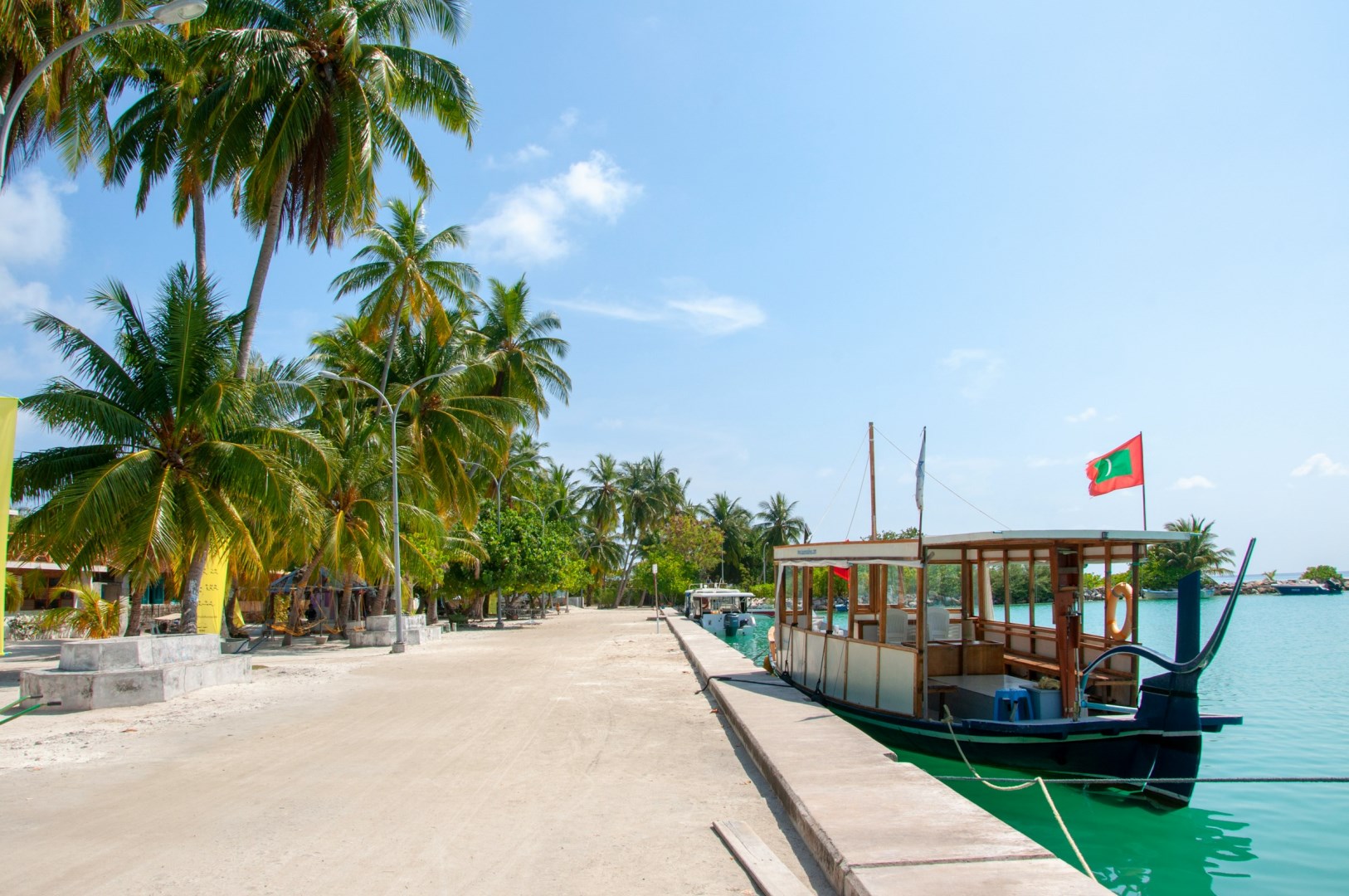
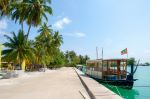
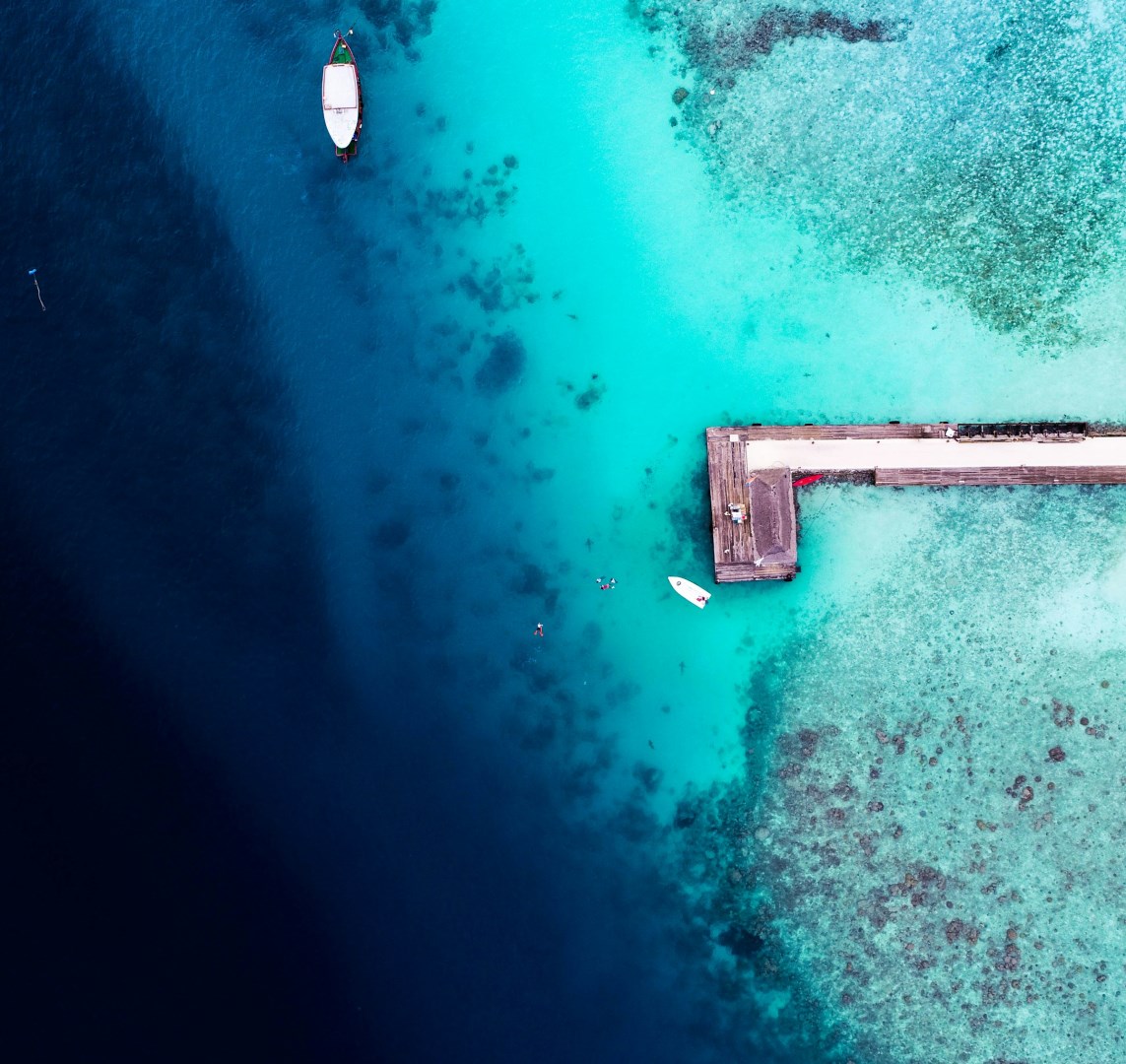
Vaavu Atoll lies south of Malé and is known for its relatively small population, numerous uninhabited islands, clear lagoons, and extensive coral reefs. Felidhoo is the administrative capital, while Thinadhoo, Keyodhoo, and Fulidhoo are among the better-known inhabited islands. The atoll has a quieter character than the more developed areas closer to the capital, with guesthouses, fishing communities, and resorts spread across separate islands. Its location between South Malé Atoll and Meemu Atoll also places it within a productive marine region shaped by channels and ocean currents.
Felidhoo is particularly associated with traditional Maldivian music and dance, especially boduberu, a performance built around rhythmic drumming, singing, and movement. Fishing remains an important part of life across the inhabited islands, with local knowledge of the surrounding waters passed through generations. Guesthouse tourism on islands such as Thinadhoo, Keyodhoo, and Fulidhoo provides visitors with opportunities to experience community life alongside resort-based stays. Islam remains central to local customs and daily routines, while traditional fishing, boat travel, and locally prepared seafood continue to influence the culture of the atoll.
Vaavu is especially recognized for diving, with channels and reefs that attract sharks, rays, turtles, schooling fish, and other marine species. Fotteyo Kandu is one of the atoll’s best-known dive sites, while Golden Wall is noted for its coral-covered underwater formations. Alimatha is associated with nurse shark encounters, including night dives, and the Keyodhoo shipwreck has become an artificial reef supporting corals, anemones, clownfish, and other marine life. Above the water, visitors can explore sandbanks, beaches, uninhabited islands, and lagoons by boat, while fishing cruises and dolphin excursions provide additional ways to explore the atoll.
Vaavu’s cuisine follows familiar Maldivian traditions centered on fish, coconut, rice, chilies, and spices. Tuna features prominently in dishes such as mas huni and garudhiya, while local cafés and guesthouses offer simple meals prepared for island communities. Fishing excursions are also part of the local tourism experience, connecting visitors with one of the region’s longstanding livelihoods. A distinctive detail of Vaavu is the strong contrast between its underwater environment and its small inhabited islands: dramatic channels and coral reefs lie close to quiet communities where traditional music, fishing, and everyday island life remain visible alongside modern guesthouse tourism.